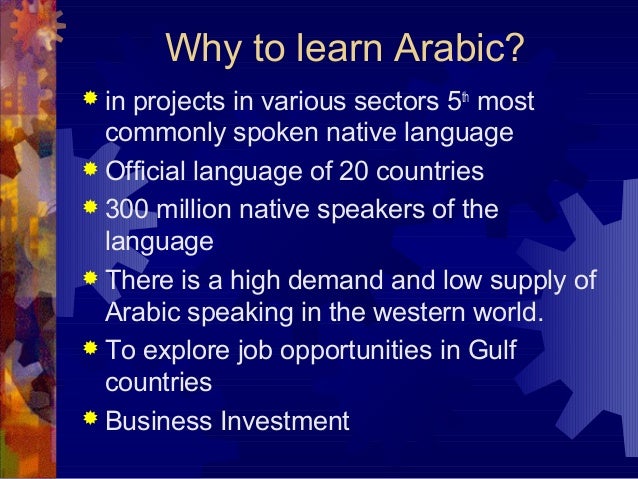
Choosing to learn Arabic will open you up to a whole new world of culture, history and tradition. As the language of the Quran, Arabic has a rich spirituality
A 2006 release with lyrics by Saudi poet Al Nasser and composition by Dr. Abdel Rab Idriss.
Majida el-Roumi - Love and Faithfulness
Go as you like, And leave as you wish. Don’t make any more promises. Don’t wear yourself out for nothing.
You kept me in a palace, You dressed me in silk, You drowned my little wings in perfume Oh, how I lost myself in the seas Of your exciting world! And you circled ‘round me In your great prison
Oh, how I imagined for myself Brightness in our nights A flood of bliss, For our happy dream. And you built for me A castle of misery
The bracelets are useless, And the rose and the mirrors And the velvet of the curtains Dancing with the corners
And your holy silence Stealing away my youth And your unspeaking heart Dwelling there without me.
Take your beautiful palace, And the glory and the splendor, And the fine marble, And the desolation of the evenings. I’m satisfied with little Just love and faithfulness.
ماجدة الرومي - الحب و الوفاء
إِذهبْ كما تُريد وامضِ كما تشاء إِذهبْ كما تُريد وامضِ كما تشاء لا تُكثِر الوعيدْ لا تُتعِب الجفاء لا تُتعِب الجفاء إِذهبْ إِذهبْ إِذهبْ كما تريد وامضِ امض إِمضِ كما تشاء إِمضِ كما تشاء أَسْكَنْتَني القُصورْ أَلبَسْتَني الحَريرْ أغْرَقْتَ بالعطورْ جَناحِيَ الصَّغيرْ كَمْ تُهْتُ في بحورْ عالمِكَ المثيرْ وكُنْتَ بي تَدورْ في سجنكَ الكَبيرْ كَمْ تُهْتُ في بحورْ عالمِكَ المثيرْ وكُنْتَ بي تَدورْ في سجنكَ الكَبيرْ كَمْ خِلْتُني أَزيدْ لِلَيلِنا الضِّياءْ لحُلمِنا السَّعيدْ فَيضاً من الهناءْ وَكُنتَ لي تَشيدْ كُنتَ لي تَشيدْ صَرحاً مِنَ الشَّقاءْ إِذهبْ إذهب إِذهبْ كما تريد وامضِ امض إِمضِ كما تشاء إِمضِ كما تشاء ما نَفْعُها الأساورْ والوردُ والمرَايا ومَخملُ السَّتائرْ يُراقصُ الزَّوايا ما نَفْعُها الأساورْ والوردُ والمرَايا ومَخملُ السَّتائرْ يُراقصُ الزَّوايا وصَمتُكَ المُناورْ يَسلُبُني صِبايَ وصَمتُكَ المُناورْ يَسلُبُني صِبايَ والقَلْبُ لا يُحاورْ يَسكُنُهُ سِوايَ ما نَفْعُها الأساورْ والوردُ والمرَايا ومَخملُ السَّتائرْ يُراقصُ الزَّوايا وصَمتُكَ المُناورْ يَسلُبُني صِبايَ والقَلْبُ لا يُحاورْ يَسكُنُهُ سِوايَ خُذْ قَصْرَكَ الجَميلْ والجاهَ والبهاءْ آه آه آه والمرْمَرَ الأصيلْ ووَحْشَةَ المساءْ خُذْ قَصْرَكَ الجَميلْ والجاهَ والبهاءْ والمرْمَرَ الأصيلْ ووَحْشَةَ المساءْ قَنِعْتُ بالقَليل آه قَنِعْتُ بالقَليل بالحبّ والوفاءْ الوفاء الوفاء الحبّ والوفاءْ آه آه الحبّ والوفاءْ
This song is based on the poem Rubbama ربما by Samih al-Qasim سميح القاسم. "Rubbama" means "perhaps" "maybe" or "might." I have translated the title as "perhaps" but in order to make the sentence more natural in english I have translate it as "you might be able to."
Julia Boutros - Perhaps
You might be able to rob me of my last bit of land You might be able to feed my youth to the jail
You might be able to put out my torch in the night You might be able to keep me from kissing my mother
You might be able to steal my dreams You might be able to deprive my children of a suit on a holiday Oh enemy of the sun! But I will not compromise
And until my heart's last beat, I will resist
جوليا بطرس - ربما
ربما تسلبني آخر شبر من ترابي ربما تطعم للسجن شبابي
ربما تطفيء في ليلي شعلة ربما احرم من أمي قبلة
ربما تغنم من ناطوري احلامي غفلة ربما تحرم اطفالي يوم العيد بدلة ربما ترفع من حولي جدارا وجدارا وجدارا .. يا عدو الشمس لكن لن اساوم
والى اخر نبض من عروقي ساقاوم والى اخر نبض من عروقي ساقاوم والى اخر نبض من عروقي ساقاوم
Mira Awad (Arabic ميرا عوض Hebrew מירה עווד) is an Arab-Israeli. Her father is a Palestinian from the Galilee and her mother is Bulgarian. In recent years, she has become famous and controversial as the first person of Arab descent to represent Israel in Eurovision, singing in Arabic. This, of course, was controversial for both Israelis and Arabs, since some Israelis see non-Jews as non-Israeli, while many Palestinians felt that Mira was being used as a token to falsely portray Israel as a pluralistic society. Still, other Arabs and Palestinians outside of Israel were outraged because Mira is an Arab with Israeli citizenship, pointing to tensions between Arabs and Palestinians descended from families that remained in Israel.
This song, sung in Modern Standard Arabic, is one of the most lyrically strange songs available on the site. Reader SimplyME has provided us with more info. Mira reportedly writes her own songs.
Mira Awad - Our Relationship
Our relationship has bonds of blood It has bleeding blonds A philosophical bleeding A bleeding that has beauty
Our relationship has closeness, and distance It is full of contradictions Contradictions that make me find beauty in the bleeding
Our relationship has a connection of birth It has a connection of miscarriage (or abortion??? the word used here إجهاض is normally the translation for "abortion", which in Arabic is a "forced miscarriage. I guess miscarriage makes sense here in a metaphorical sense, but this is the first time I have ever seen this word used metaphorically. This is extremely provocative language for an Arabic song) A miscarriage of ideas A miscarriage with spirituality
Our relationship is full of death, full of life It's full of madness Madness that makes me find spirituality in the miscarriage
ميرا عوض (מירה עווד) - علاقتنا
علاقتنا فيها ربط الدم فيها روابط نزيف نزيف فلسفي نزيف ذي جماليات علاقتنا فيها قرب فيها بعد فيها تناقضات تناقضات تجعلني أجد في النزيف جماليات
علاقتنا فيها صلة ولاد فيها صلة إجهاض إجهاض فكري إجهاض ذي روحانيات علاقتنا فيها موت فيها حياة فيها جنونيات جنونيات تجعلني أجد في الإجهاض روحانيات
This song appeared in the play Meis al Rim (ميس الريم) written by the Rahbani Brothers and starring Fairouz. I have supplied here the video from the play, in which Joseph Nassif (جوزيف نصيف) is singing, in addition to the mp3 or a version recorded by Fairouz.
I've translated the name Laur as Laura because it is the same name from the same root, referring to the Laurel tree which in Arabic can also be called شجر الغار.
Oh Laura Your love has tormented my heart And I had given you my love and affection Don't you recall our wonderful nights together And the pledge we made to be true to each other?
The night, the breeze and the wailing nightingale And the veil of melodies, as my heart loved you So many dreams of love and purity blossomed In them, days seemed like slumber
The night, the dreams and the wet shore Longing, song, and the calm countryside Those were such fine days, so wonderful and pure When the melodies sang of loyalty and devotion
فيروز - يا لور حبك
يا لور حبك قد لوّع الفؤاد وقد وهبتك الحب والوداد ألا تذكري ليالي الصفا وعهداً عهدناه على الوفا
الليل والأنسام والبلبل الشاكي وسترة الأنغام والقلب يهواكِ كم أزهرت أحلام بالحب والصفا ظهرت بها الأيام مثل الغفا
الليل والأحلام والشاطئ النادي والشوق والأنغام والموطن الهادي يا طيبها أيام أحلى من الصفا وتنشد الأنغام على الوفا
The lyrics are from a Nizar Qabbani poen. The original translation was very hastily done, but I've updated it now.
Kazem el-Saher - Love School
Loving you taught me how to be sad I've been in need for ages for a woman to make me sad For a women for me to cry in her arms like a sparrow
For a woman to gather my pieces like shards of broken crystal Loving you, milady, taught me my worst habits It taught me to open my cup at night a thousand times And try herbal medicine and knock on the doors of fortune-tellers It taught me to leave my house to comb the sidewalks And follow your face with the rains in the headlights of cars The light of your eyes is millions of stars Oh woman, you made the world spin Oh my pain!
Loving you, milady, made me enter the cities of sadness Cities of sadness that I had not entered before you I didn't ever know that tears make you human That someone without sadness is a vestige of a human
Loving you taught me to act like a child To draw your face with chalk on the walls Oh woman, you overturned my history I've been cut up as sacrifice to you From artery to artery Loving you taught me how love can change the map of time It taught me how when you love the world stops turning Loving you taught me things that were never expected
I've read childrens stories and entered the castles of the kings of the Jinn And I dreamed that the sultan's daughter (ie, her) would marry me Her eyes were clearer than the water of the gulfs Her lips were more crimson than pomegranate blossoms And I dreamed that I took her like a knight And I dreamed that I gave her bracelets of pearl and coral Loving you, milady, taught me about delirium It taught me how the years can pass without the sultan's daughter coming
كاظم الساهر - مدرسة الحب
علمني حبكِ ان احزن وانا محتاج منذ عصور لامرأه تجعلني احزن لامرأه ابكي فوق ذراعيها مثل العصفور
لامرأه تجمع اجزائي كشظايا البلور المكسور علمني حبكِ سيدتي اسوأ عاداتي علمني افتح فنجاني في الليله الاف المرات واجرب طب العطارين واطرق باب العرافات علمني اخرج من بيتي لامشط ارصفه الطرقات واطارد وجهك بالامطار وفي اضواء السيارات والملم من عينيكِ ملايين النجمات ياامرأه دوخت الدنيا ياوجعي ياوجع النايات
ادخلني حبك سيدتي مدن الاحزان وانا من قبلك لم ادخل مدن الاحزان لم اعرف ابدا ان الدمع هو الانسان ان الانسان بلا حزن ذكرى انسان علمني حبك ان اتصرف كالصبيان ان ارسم وجهك بالطبشور على الحيطان
ياامرأه قلبت تاريخي اني مذبوح فيكِ من الشريان الى الشريان علمني حبكِ كيف الحب يغير خارطه الازمان علمني اني حين احب تكف الارض عن الدوران علمني حبك اشياء ماكانت ابدا في الحسبان
وقرأت اقاصيص الاطفال دخلت قصور ملوك الجان وحلمت بان تتزوجني بنت السلطان تلك العيناها اصفى من ماء الخلجان تلك الشفتاها اشهى من زهر الرمان وحلمت باني اخطفها مثل الفرسان وحلمت باني اهديها اطواق اللؤلؤ والمرجان علمني حبك ياسيدتي ماالهذيان علمني كيف يمر العمر ولا تأتي بنت السلطان
ادخلني حبك سيدتي مدن الاحزان وانا من قبلك لم ادخل مدن الاحزان لم اعرف ابدا ان الدمع هو الانسان ان الانسان بلا حزن ذكرى انسان
Zeki Nasif - The Beautiful Lady is Asking About My Heart
The beautiful lady is asking me about my heart And my eyes don't know what to tell her
The beautiful lady is asking me about my heart And oh how my lips long to whisper "I love her" And the question is absent in the calm of night (meaning when I am alone and she is not there to ask) Then the answer flows out in rapturous song to us
The beautiful lady is asking me about the dreams of my youth Does her heart not answer?
زكي ناصيف – تسألني الحسناء عن قلبي
تسألني الحسناء عن قلبي فلا تدري مقلتاي ماذا تقولان لها
تسألني الحسناء عن قلبي فكم تصبو شفتاي لتهمسا أحبها ويغيب السؤال في هدأة الليل فينساب الجواب أغنيات هازجات لنا الشباب
تسألني الحسناء عن قلبي وعن أحلام صبايا هل لا يجيب قلبها
This song is from a musical about the 1001 Nights starring Fairuz. For those who are unfamiliar with the plot of the 1001 (Arabian) Nights, it is set in an old imaginary kingdom in present day Iran. There is a king names Shahryar who, after his first wife cheaten on him, has devoted to his life to taking revenge against the fairer sex, and thus, marries a new girl every night and then kills her. The protagonist Scheherazade asks to marry the king Shahryar willingly in order to save womankind by ensnaring Shahryar in an endless web of tales so that each night he allows her to live so that she can continue this open-ended story. This general story serves as the framework for lots of other folk stories told by the narrator Scheherazade, which are all part of the 1001 Nights such as Ali Baba and the 40 Thieves and Aladdin.
Fairuz - Scheherazade
(The group) Oh Scheherazade, sing for love, sing for the nights, love has returned Oh Scheherazade, the farness is close in my mind despite the distance (sorry if that sounds terrible in English) Repeat it again, and again, and again oh Scheherazade How come these songs are bringing us back to the joys that were once ours? The days of youth, the flower of the evenings Fragrance has returned to the story Repeat it again, and again, and again oh Scheherazade
(Fairuz as Scheherazade)
I am Scheherazade of the poem and my voice is the song of pain Every day I once again leave in the morning Shahryar used to destroy women Destroying the poems, and the people, and the names I've seen the tears of the virgins and heart the weeping of the years And how the virgins are lost in a palace of pain and moaning And then Shahryar started staying up late every night longing And thus became a prisoner for 1000 nights And became a prisoner to the story And so the story will free the female captives Rise up, oh captives, for I am Scheherazade
(The rest of the song is basically nonsense)
(the group) Oh beautiful Scheherazade bend slowly And fly like a song in the night and go
(Scheherazade) Oh you who blame me in love, love is but a reproach The distance has made my tears run and exhaustion healed me Since you told me you loved me, I've lowered my eyes in shame Let's talk about our first night
فيروز - شهرزاد
يا شهرزاد غني الهوى غني الليالي فالشوق عاد يا شهرزاد و للنوى قصر ببالي رغم البعاد و أعيدي و أعيدي وأعيدي يا شهرزاد ما للأغاني عادت بنا صوب المغاني التي لنا يوم الصبايا زهر العشايا و للحكايا عطر يعاد و أعيدي و أعيدي وأعيدي يا شهرزاد
أنا شهرزاد القصيدة و صوتي غناء الجراح أنا كل يوم جديدة أهاجر عند صباح و كان شهريار يبدد النساء يبدد الأشعار و الناس و الأسماء رأيت دموع العذارى سمعت بكاء السنين و كيف تضيع العذارى بقصر الضنى و الآنين و كان شهريار يسهر كل ليلة مستوحشا فصار سجين ألف ليلة و صار سجين الحكاية و قلت للحكاية ألا حرري السجينات إنهضن يا سجينات أنا شهرزاد
يا حلوة الغزل ميلي على مهل طيري كأغنية في الليل و إرتحلي
يا لائمي في الهوى إن الهوى عتب أجرى دموعي النوى و شفاني التعب مذ قلت حبك لي أغضيت من خجلي خلي الكلام على ليلاتنا الأول
Abdel Halim Hafez is a music legend in Egypt and aside from Om Kalthoum is probably the most prominent musician. This song is from a poem written by Nizar Qabbani. The title is literally translated as "cup reader," referring to the act of reading fortunes from the grains left in the bottom of a cup of Turkish coffee. These lyrics are the words to the poem itself and not word for word how they were performed by Abdel Halim.
This translation is by Natalie Smolenski.
Abdel Halim Hafez - Reader of Fortunes
She sat with fear in her eyes Contemplating the overturned cup.
She said: My son, do not be sad. Love is written for you. My son, he who dies for the religion of the beloved Has died a martyr.
Your cup is a terrifying world. You life: travels and wars. You will love often, my son. You will adore all the women of the world, And return as the king who has been conquered.
In your life, my son, there is a woman. Her eyes – Praise be to Him who is worshipped! Her mouth is drawn as bunches of grapes; Her laughter is music and roses. But your sky is full of rain and your path blocked. For your heart’s beloved, my son, Sleeps in a haunted castle. The castle is large, my son. It is guarded by dogs… and soldiers.
Your heart’s princess is sleeping. He who enters her chamber is lost. He who asks for her hand, He who descends the walls of her garden, Is lost. He who attempts to unbraid her hair, My son, Is lost . . . lost.
I have looked and read often, But never have I read a cup like yours. I have never known, my son, Sadness like yours. It is your destiny ever to walk In love, upon the edge of a dagger. To remain lonely as the oysters Sad as the willow It is your destiny ever to remain In the sea of love, without rescue, To love millions of times, And to return as the deposed king.
عبد الحليم حافظ - قارئة الفنجان
جَلَسَت والخوفُ بعينيها تتأمَّلُ فنجاني المقلوب
قالت: يا ولدي.. لا تَحزَن فالحُبُّ عَليكَ هوَ المكتوب يا ولدي، قد ماتَ شهيداً من ماتَ على دينِ المحبوب فنجانك دنيا مرعبةٌ وحياتُكَ أسفارٌ وحروب.. ستُحِبُّ كثيراً يا ولدي.. وتموتُ كثيراً يا ولدي وستعشقُ كُلَّ نساءِ الأرض.. وتَرجِعُ كالملكِ المغلوب
بحياتك يا ولدي امرأةٌ عيناها، سبحانَ المعبود فمُها مرسومٌ كالعنقود ضحكتُها موسيقى و ورود لكنَّ سماءكَ ممطرةٌ.. وطريقكَ مسدودٌ.. مسدود فحبيبةُ قلبكَ.. يا ولدي نائمةٌ في قصرٍ مرصود والقصرُ كبيرٌ يا ولدي وكلابٌ تحرسُهُ.. وجنود وأميرةُ قلبكَ نائمةٌ.. من يدخُلُ حُجرتها مفقود.. من يطلبُ يَدَها.. من يَدنو من سورِ حديقتها.. مفقود من حاولَ فكَّ ضفائرها.. يا ولدي.. مفقودٌ.. مفقود
بصَّرتُ.. ونجَّمت كثيرا لكنّي.. لم أقرأ أبداً فنجاناً يشبهُ فنجانك لم أعرف أبداً يا ولدي.. أحزاناً تشبهُ أحزانك مقدُورُكَ.. أن تمشي أبداً في الحُبِّ .. على حدِّ الخنجر وتَظلَّ وحيداً كالأصداف وتظلَّ حزيناً كالصفصاف مقدوركَ أن تمضي أبداً.. في بحرِ الحُبِّ بغيرِ قُلوع وتُحبُّ ملايينَ المَرَّاتِ... وترجعُ كالملكِ المخلوع





 Posts
Posts


